
The Ecological Footprint of Cleaning – Redefined
Less water. Less CO2. No microplastics. Backed by data.
What Really Matters: The Entire Life Cycle
Sustainability is not decided by the material alone – but across the entire life cycle: raw material, production, use, laundry & logistics, disposal.
Water Consumption: Where Classic Systems Fail
litres of water per wash cycle (25 mops)
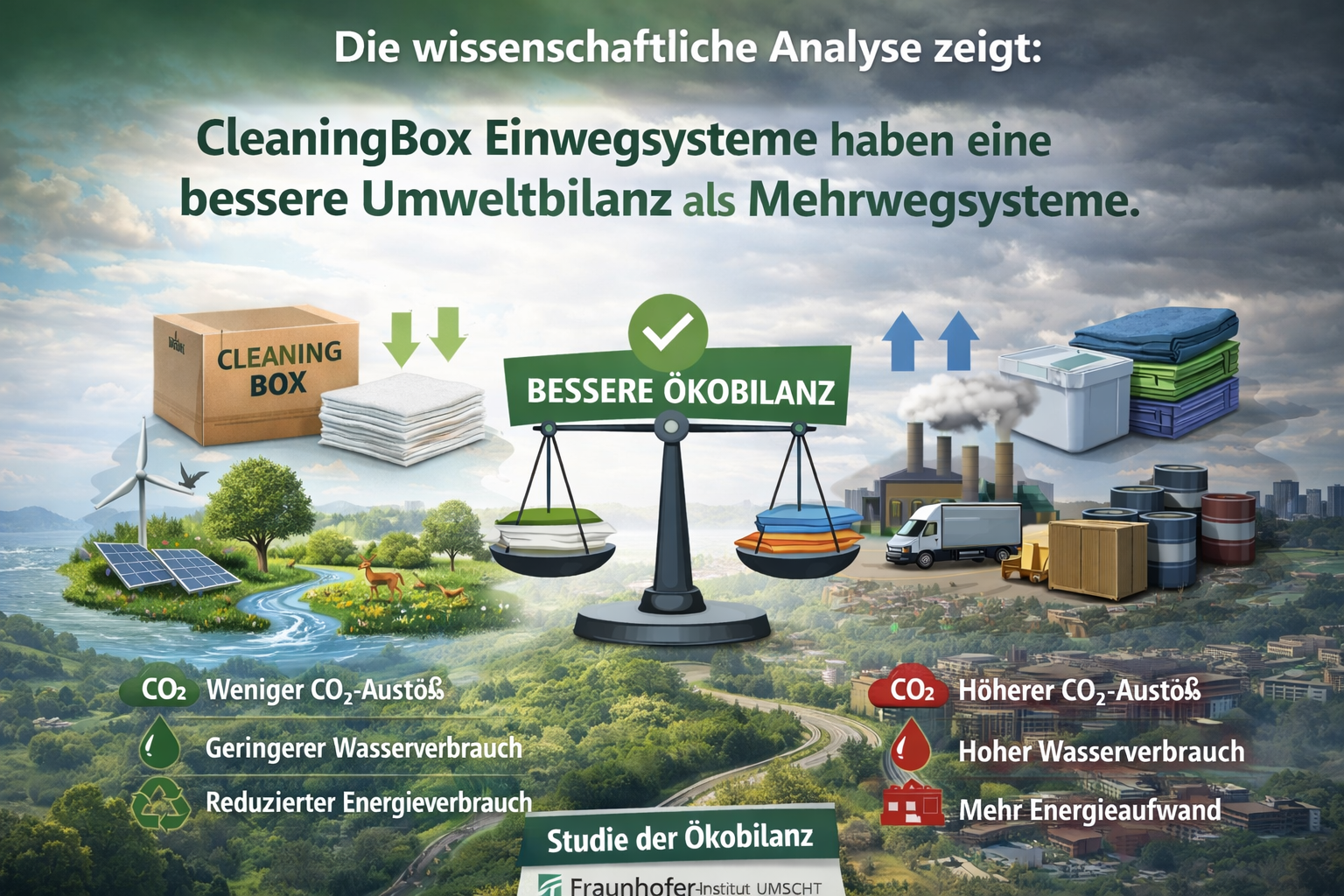
Raw Materials Determine the Footprint
Cotton
- Extremely high irrigation demand
- Pesticides & fertilisers
- Global transport routes
- Environmental & health burden
Wood Fibre
- 10-20x less water consumption
- Regional sourcing (EU)
- Renewable resource
- Biodegradable
less water in production
CO2 Emissions: A Massive Difference
less CO2 emissions
The Hidden Problem: Microplastics
Synthetic textiles release microfibres with every wash – a major contributor to global microplastic pollution.
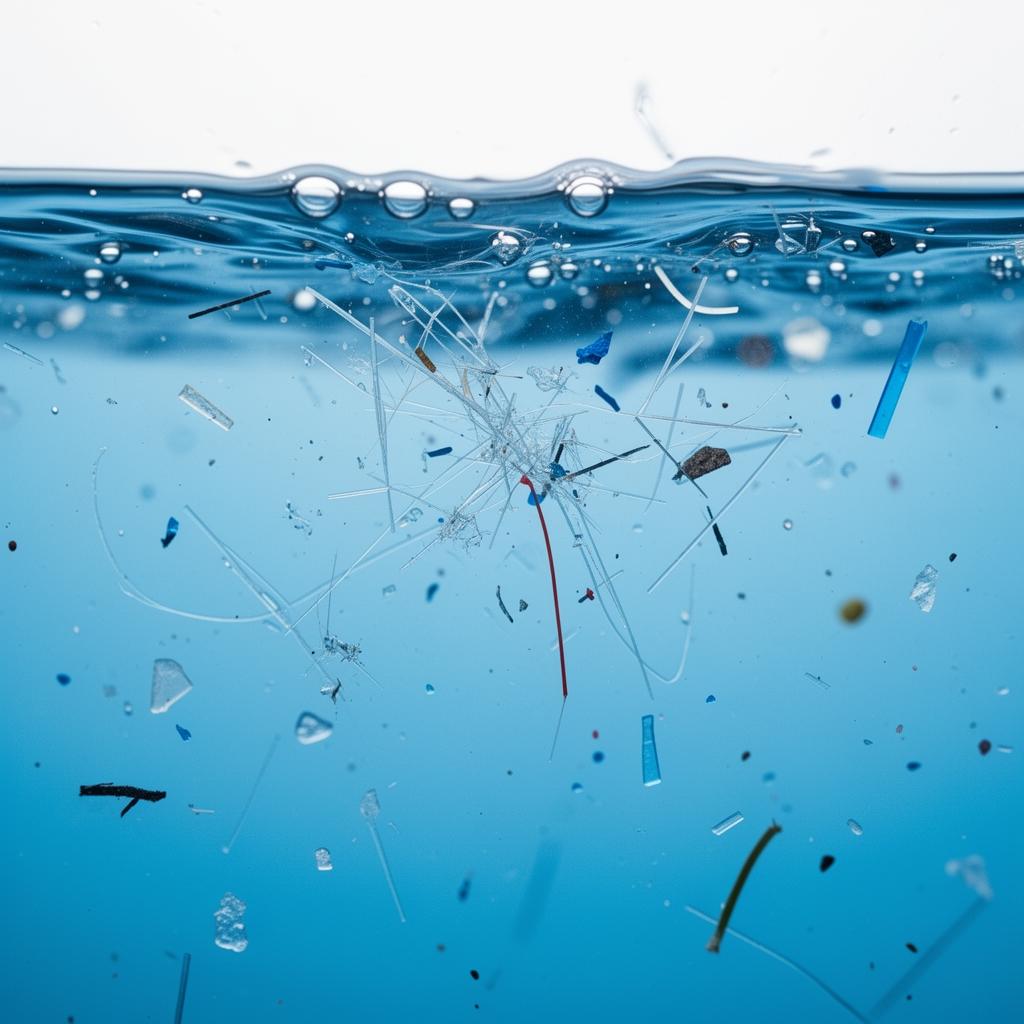
tonnes of microplastics per year (healthcare in Germany)
CleaningBox completely eliminates microplastics
0% emission – guaranteed
The Greatest Impact is Not the Material – It is the System
By eliminating entire process steps, CleaningBox reduces environmental impact exponentially.
Traditional System
- Washing
- Transport
- Storage
- Energy
- Water
- Staff effort
CleaningBox System
- Ready-to-use
- No washing
- No logistics loops
- Exact dosing
The Total Environmental Impact at a Glance
Water saved per wash cycle
CO2 reduction
Exact dosing – no overconsumption
Microplastic emission
Why This Matters for Your Organisation
Lower operating costs
ESG compliance
Reduced effort in environmental reporting
Future-proof hygiene concept
Eco-Balance Calculator
Calculate the ecological advantage for your facility.
Litres Water / Year
kg CO2 / Year
Exact Dosing
Microplastic emission
Sustainability You Can Measure
CleaningBox makes cleaning a measurable environmental advantage – without compromising on hygiene.